Source Ceramic Water Cup for Office, Home, and Gifts
Find 30 ceramic water cup options for daily use, office settings, and promotional gifts. Compare models like CC-008 and CC-010, featuring double-layer heat preservation, custom glaze designs, and eco-friendly materials from China; compare the available evidence and request quotations based on your requirements.
Key considerations
Products List


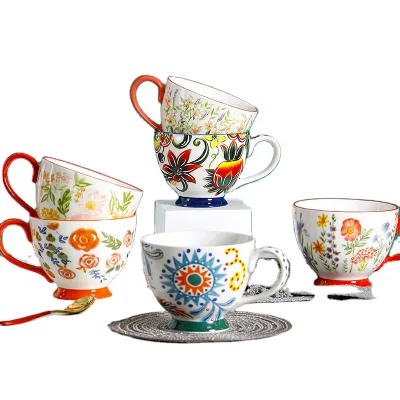
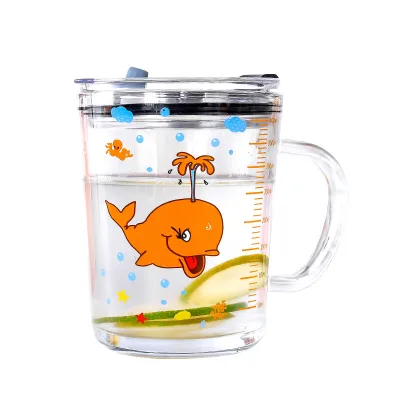


Comprehensive Sourcing Guide
Ceramic Water Cup Sourcing Guide
Procurement teams evaluating ceramic water cups must first distinguish between single-layer and double-layer constructions, as the supplied data indicates distinct functional profiles for each. The observed inventory includes double-layer ceramic cups designed for heat preservation and high-temperature resistance, alongside single-layer variants featuring hand-painted designs suitable for daily use. Buyers should verify the specific layer structure required for their application, as double-layer units offer superior insulation for hot beverages while single-layer options provide a lighter profile for general office or home settings.
The product scope also encompasses a variety of customization options, including color-changing features and multicolor or unicolor finishes that cater to promotional campaigns or personal gifting. While some listings specify a simple style, others highlight creative designs with handles and accessories like covers, indicating a broad range of aesthetic choices. Sourcing strategies must align with these diverse attributes, ensuring that the selected cup type matches the intended usage scenario, whether it is for a corporate gift, a wedding favor, or everyday hydration in a professional environment.
Product Scope and Observed Listing Signals
Market listings for ceramic water cups reveal a wide price range from 0.01 to 6 USD, suggesting significant variation in material quality, decoration complexity, and order volume. The minimum order quantities observed span from 2 to 5000 units, with specific models like the CC-018 requiring a minimum of 100 pieces. Buyers must carefully analyze the relationship between unit price and order volume, as the lowest price points often correspond to higher minimums or simpler production runs, whereas premium features like hand-painting or specific glaze techniques may command higher thresholds.
Listing signals also highlight diverse packaging standards, ranging from individual polybag protection to white boxes and large cartons for bulk shipping. The origin data points to Hefei and Anhui regions in China, which are known for porcelain production, yet buyers should confirm the specific factory location for each order to ensure consistency in quality. Additionally, the availability of fast delivery and multiple shipping ports like Shanghai and Ningbo indicates a mature supply chain, but lead times can vary based on the complexity of customization requests such as specific model numbers or unique color requirements.
Technical Specifications to Verify
Technical verification begins with precise dimensional analysis, as the observed product standards include specific measurements such as 8.2 by 8 cm, 8 by 11.5 cm, and 9.5 by 14 cm. These dimensions directly impact the cup's capacity and usability, with some models explicitly noted as 10 oz while others rely on physical size for volume estimation. Procurement teams must cross-reference the listed standard dimensions with the physical sample to ensure the cup fits intended holders or packaging, particularly when dealing with double-layer structures that may have different external profiles than single-layer counterparts.
Material composition and structural integrity are equally critical, with porcelain identified as the primary material and glaze or hand-painted techniques applied for decoration. Buyers should verify the weight specifications, such as the 520g noted for certain models, to ensure the product feels substantial enough for its intended use without being overly heavy. Furthermore, the distinction between heat preservation capabilities and high-temperature resistance must be confirmed, as these functional claims are essential for cups marketed for hot beverages or those requiring durability in high-heat environments.
Compliance and Safety Documentation
Safety documentation for ceramic water cups must address the absence of ethylene oxide sterilization, a specific attribute noted in the provided data that distinguishes these products from medical or sterile packaging contexts. While the items are marketed for health care and daily use, buyers should request material safety data sheets to confirm that the glaze and porcelain materials are free from harmful heavy metals, ensuring compliance with food contact regulations in the target market. The lack of specific sterilization claims implies that the cups are intended for general consumer use rather than clinical environments.
Although background knowledge mentions certifications like CE or ISO 9001, these should not be assumed without explicit verification from the supplier. Procurement teams must request current test reports or certificates of analysis to validate that the ceramic products meet local safety standards for food contact materials. The focus should remain on verifying that the specific batch of cups, whether single or double-layer, adheres to the relevant regulatory frameworks for the destination country, rather than relying on general industry assumptions about supplier qualifications.
Cost Drivers and Commercial Terms
Cost drivers for ceramic water cups are heavily influenced by the customization level, with hand-painted designs and color-changing features likely increasing production costs compared to simple, unicolor models. The observed payment terms, including TT, PayPal, Western Union, and Money Gram, offer flexibility but also introduce varying levels of financial risk and processing fees. Buyers should negotiate payment structures that align with their cash flow while ensuring that the supplier has sufficient capital to maintain quality control during the production of customized orders.
Commercial terms also encompass shipping logistics, with multiple ports available including Yiwu, Tianjin, and Ningbo, which can affect final landed costs depending on the buyer's location. The packaging method, whether a single piece in a box or bulk packing in a big carton, directly impacts shipping volume and freight expenses. Procurement strategies must account for these variables, balancing the cost of customization against the efficiency of bulk shipping to optimize the total cost of ownership for the ceramic water cup inventory.
Supplier Qualification and Quality Control
Supplier qualification requires a rigorous assessment of the production origin, specifically the Hefei and Anhui regions, to ensure consistent manufacturing capabilities for porcelain and ceramic goods. Buyers should verify the supplier's ability to handle the full range of observed models, from the CC-008 to the Ceramic Cup-027X-070Y, to confirm they possess the necessary technical expertise for both simple and creative designs. The presence of specific model numbers and standards suggests a structured production line, but on-site audits or third-party inspections are recommended to validate these capabilities.
Quality control protocols must address the specific structural differences between single-layer and double-layer cups, as well as the durability of the glaze and hand-painted finishes. Since the products are designed for daily use and gifting, the finish must be resistant to chipping and fading, which requires strict adherence to the specified production standards. Buyers should implement a sampling plan that tests for structural integrity, weight consistency, and the accuracy of the advertised dimensions to ensure that the final delivered goods match the initial product specifications.
Long-Term Procurement Checks
Long-term procurement success depends on maintaining consistent quality across multiple production runs, particularly when dealing with customized features like color-changing effects or specific handle designs. Buyers should establish clear communication channels with suppliers to monitor any changes in raw material sources or production techniques that could alter the final product's appearance or performance. Regular re-verification of the product standards, such as the 8.2 by 8 cm dimensions or the 10 oz capacity, ensures that the supply chain remains stable and reliable over time.
Sustainability and ethical sourcing should also be integrated into long-term strategies, given the eco-friendly attributes observed in some listings. Procurement teams must periodically review the supplier's practices to ensure they align with environmental standards and that the production process does not introduce unnecessary waste or hazardous materials. By maintaining a proactive approach to supplier management and quality assurance, buyers can secure a steady supply of high-quality ceramic water cups that meet both functional requirements and corporate responsibility goals.
FAQs
What customization options are available for these ceramic mugs?
Customization is available for these ceramic mugs to meet specific buyer needs. The products support simple styles and multicolor designs suitable for promotion, daily use, gifts, and birthdays. Buyers can request custom features while maintaining the core porcelain material and glaze technics.
Which specifications define the different ceramic cup models listed?
The listed models include specific dimensions such as 8.2 by 8 cm, 8 by 11.5 cm, and 9.5 by 8.2 cm. Some models feature double-layer structures while others are single-layer cups. Capacities vary, with one model explicitly noted as having a 10 oz capacity for standard use.
Can these ceramic cups be used for both home and office settings?
Yes, these ceramic cups are suitable for both home and office environments. They are designed for daily use and can serve as gifts or for health care purposes. The double-layer ceramic structure helps with heat preservation and withstanding high temperatures in various settings.
What is the minimum order quantity for purchasing these ceramic cups?
The minimum order quantity ranges from 2 to 5000 units depending on the specific product and supplier terms. One model explicitly lists an MOQ of 100 units. Buyers should verify the exact MOQ for their selected model before placing an order to ensure compliance.
How are these ceramic cups packaged for shipping and delivery?
Packaging options include one piece in one box, white boxes, or paper boxes with big cartons. Some items are packed individually in polybags. The products originate from Hefei or Anhui, China, and are shipped via ports like Shanghai, Guangzhou, or Yiwu for fast delivery.
What materials and features make these ceramic cups eco-friendly?
These cups are made from porcelain and jade porcelain materials with glaze technics. They feature eco-friendly properties and some models offer color-changing capabilities. The products are designed without ethylene oxide sterilization, ensuring safety for adults in common use scenarios.